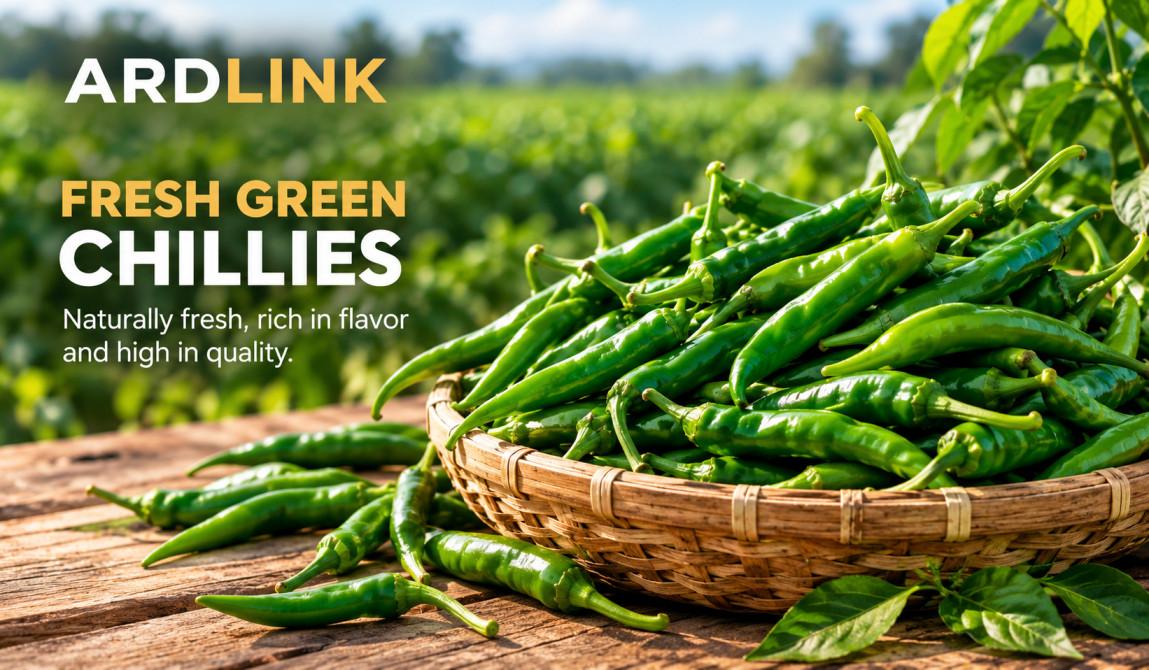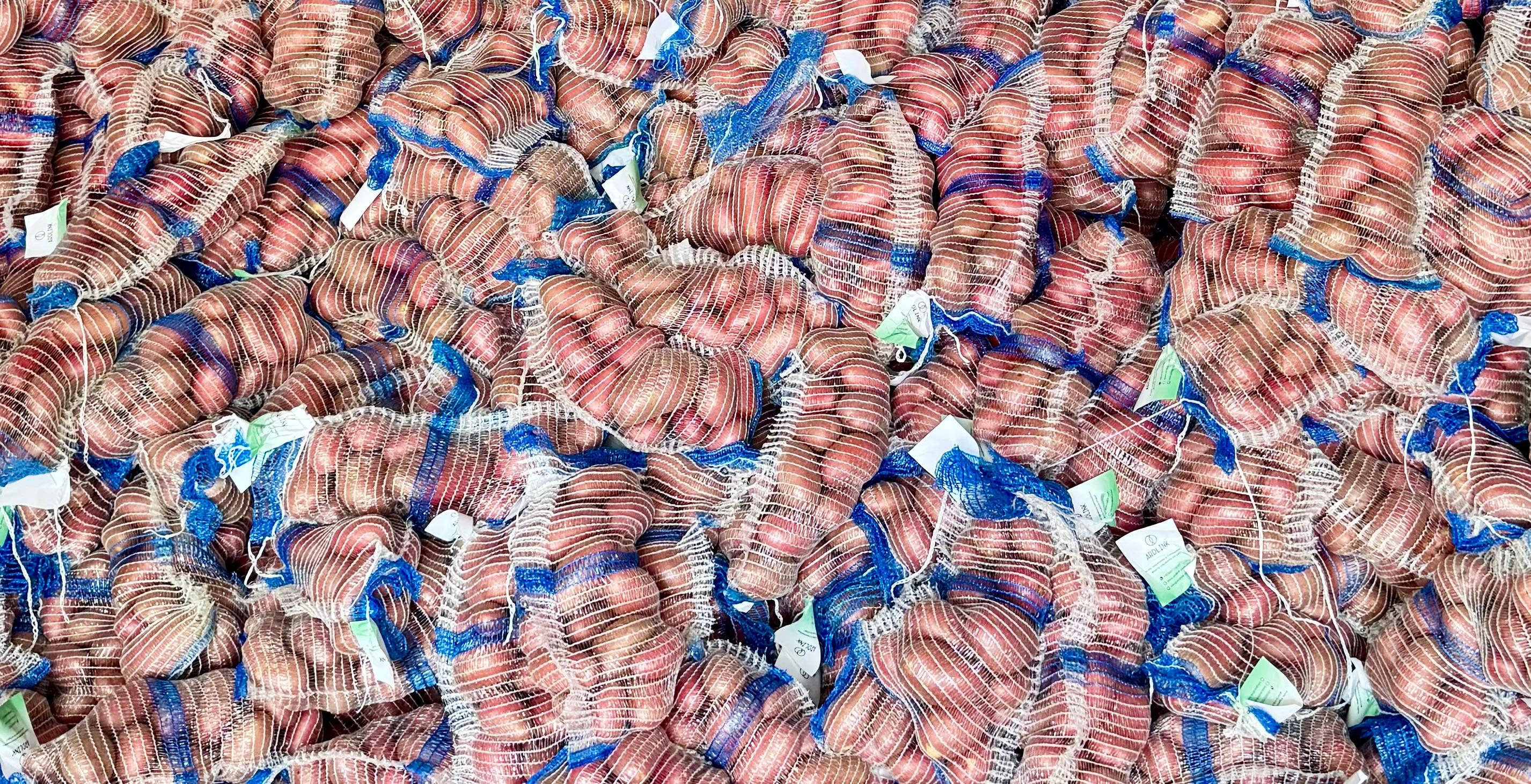
Exporting agricultural products from Pakistan can create opportunities for farmers, processors, wholesalers, exporters and international trading businesses. Pakistan produces a wide range of agricultural commodities, including maize, sesame seeds, potatoes, chillies, turmeric and other products that may serve different international markets. However, producing a good agricultural product is only one part of a successful export transaction. Exporters must also understand buyer requirements, product specifications, quality control, documentation, packaging, logistics, payment terms and the regulations that apply to their particular products and destination countries.
For new exporters, the process can initially appear complicated because several parties may be involved in a single transaction. These can include the supplier, exporter, importer, inspection company, freight forwarder, customs agent, shipping line, bank and relevant government authorities. Each party has a different responsibility, and misunderstanding those responsibilities can lead to delays, unexpected expenses or disagreements between buyers and sellers.
This guide explains how to approach agricultural exports from Pakistan step by step. It covers product selection, market research, finding buyers, preparing quotations, agreeing on specifications, arranging documentation, checking quality, selecting packaging, organizing transportation and managing payment risks. It is intended as a practical starting point for businesses that want to understand the export process and prepare for international agricultural trade.
Export requirements vary according to the product, its processing status, the destination country, the transaction structure and the regulations in force at the time of shipment. Therefore, businesses should confirm current requirements with the relevant Pakistani authorities, their customs or logistics professionals, and the importing country's authorities before committing to an order.
Understanding Agricultural Exports from Pakistan
Agricultural exports involve selling agricultural commodities or processed agricultural products to buyers in another country. The products may be sold directly by producers, through processors, by wholesalers or through specialized export and trading companies. Depending on the business model, an exporter may purchase goods from multiple suppliers, arrange processing and packaging, coordinate inspections and deliver the shipment according to an agreed contract.
Agricultural exports are different from ordinary domestic sales because the transaction crosses international borders. The parties must agree on the product, quantity, price, delivery responsibilities, documentation, payment method and applicable trade rules. The shipment may also need to meet food safety, plant health, labeling, residue, packaging or other requirements imposed by the destination market.
For example, a buyer purchasing Pakistani rice may want a particular variety, grain length, broken-grain percentage, moisture level, crop year, milling specification and bag size. A buyer purchasing sesame seeds may focus on purity, foreign matter, moisture, microbiological requirements, color, origin and intended use. A buyer purchasing fresh potatoes may have additional requirements concerning size, appearance, sprouting, damage, plant health and permitted pest levels.
These differences explain why exporters should avoid treating every agricultural commodity as if it were the same product. A successful transaction starts with understanding exactly what the buyer wants and whether the exporter can supply it consistently.
Who Can Participate in Agricultural Exports?
Several types of businesses can participate in the agricultural export supply chain. Their roles may overlap, but understanding the differences helps a new exporter decide where to begin.
- Farmers and producers: Grow crops and supply raw agricultural commodities. They may sell directly to exporters or work through cooperatives, aggregators and processors.
- Processors: Clean, sort, grade, mill, dry, peel, grind or otherwise prepare agricultural products according to buyer specifications.
- Wholesalers and traders: Purchase goods from suppliers and resell them to domestic or international buyers.
- Exporters: Coordinate international sales, commercial documentation, logistics, compliance and shipment arrangements.
- Importers and distributors: Purchase products in the destination market and distribute them to wholesalers, retailers, manufacturers or other customers.
- Food manufacturers: Source agricultural ingredients for food production, processing and packaging.
- Specialized service providers: Support inspections, testing, freight forwarding, customs clearance, storage, fumigation where applicable and other operational requirements.
A new business does not necessarily need to own farms or processing facilities to participate in agricultural trade. However, it must have a reliable way to source the required goods, verify their quality, meet contractual commitments and comply with the rules applicable to its role in the transaction.
Step 1: Choose the Right Agricultural Product
Product selection is one of the most important decisions for a new exporter. A product may be widely available in Pakistan but still be unsuitable for a particular exporter because of inconsistent quality, limited supplier capacity, strict destination requirements, seasonal availability, high transportation costs or insufficient buyer demand.
Instead of selecting a product only because it is familiar or locally abundant, evaluate the commercial and operational factors that influence whether it can be exported reliably.
Consider Your Product Knowledge
Start with products whose grades, varieties, specifications and supply arrangements you can understand. Familiarity with a commodity makes it easier to communicate with suppliers, assess samples, compare quotations and answer buyers' questions.
For example, an exporter considering rice should understand the differences between the relevant rice varieties and milling specifications. A sesame supplier should know how cleaning, purity, foreign matter and intended use affect product requirements. A turmeric supplier should understand the differences between whole turmeric and powder, as well as the quality parameters buyers may request.
Product knowledge does not require the exporter to perform every technical test personally. It does require knowing which characteristics matter, what evidence is available and when professional testing or inspection is necessary.
Evaluate Supply Availability
Before offering a quantity to an overseas buyer, determine whether your supply network can actually provide it. A supplier may have sufficient stock for a small sample but not enough consistent material for a commercial shipment. Another supplier may be able to meet the quantity but struggle to maintain the same grade across multiple deliveries.
Discuss the following questions with potential suppliers:
- What quantity is available now?
- What quantity can be supplied within the required delivery period?
- Is the product available throughout the year or only during particular seasons?
- Can the supplier maintain the requested grade and specifications?
- Can the supplier provide samples, photographs and relevant quality documents?
- What packaging options are available?
- How long will the quoted price remain valid?
- What happens if inspection identifies a quality problem?
Do not assume that a supplier's verbal confirmation guarantees availability. For significant transactions, document the quantity, specifications, price, expected readiness date and any conditions that could affect supply.
Understand the Difference Between Raw and Processed Products
Agricultural products can be supplied in different forms, and the form can affect processing requirements, product classification, storage, packaging and destination-country compliance.
- Raw commodities: Products supplied with limited processing, such as certain grains, seeds or fresh produce.
- Cleaned and graded products: Products that have undergone sorting, cleaning or grading to meet a defined specification.
- Processed products: Products such as rice that has been milled, turmeric that has been ground into powder, or other commodities prepared for a specific use.
- Consumer-ready products: Products packed and labeled for retail or food-service distribution, where applicable requirements may be more extensive.
Each form may attract different buyer expectations and regulatory requirements. An exporter should identify the precise product being sold rather than using a broad commodity name that leaves important details unclear.
Compare Products Before Committing
Prepare a simple comparison of the products you are considering. Include supply reliability, technical knowledge, potential buyer demand, processing requirements, packaging options, transportation considerations and the documentation that may be required.
The objective is not to select a product based on a promised profit margin alone. It is to choose a product that you can source, verify, sell and deliver within your available resources.
Step 2: Research International Markets
After identifying a product, research potential destination markets. Different countries may have different consumption patterns, quality preferences, import procedures, labeling rules, food safety requirements and commercial expectations. A product suitable for one destination may require additional processing, documentation or testing for another.
Market research should help answer three practical questions: who buys the product, what specification do they require, and under what commercial conditions can you supply it?
Identify Potential Destination Countries
Begin by developing a shortlist of countries that may import your product. Consider publicly available trade statistics, importer directories, industry associations, trade fairs, market reports and discussions with experienced buyers or logistics professionals.
Trade data can help identify markets with established import activity, but historical import figures do not guarantee that a new supplier will receive orders. Competition, current market prices, freight costs, buyer relationships, product quality and trade restrictions can all influence whether a business opportunity is commercially viable.
Use multiple sources where possible. Official trade statistics can help establish broad market activity, while direct conversations with prospective buyers can reveal the specifications, shipment sizes and commercial conditions they currently require.
Research Import Requirements
Before targeting a country, determine what is required to import the particular product. Depending on the commodity and its condition, requirements may include import permits, phytosanitary documentation, health certificates, laboratory testing, pesticide residue compliance, microbiological standards, labeling information or restrictions on particular varieties and origins.
Fresh plant products may be subject to plant-health requirements that differ substantially from those applicable to processed products. Products intended for human consumption may have requirements that differ from those intended for animal feed or industrial use.
Check requirements with the relevant importing-country authority or a qualified local importer. Do not rely solely on a buyer's informal statement that a product can be imported. Confirm the applicable rules before purchasing stock or promising a shipment date.
Study the Competitive Environment
Identify the countries and suppliers that already serve your target market. Compare their product offerings, specifications, packaging, delivery arrangements and commercial positioning where reliable information is available.
Competing solely on price can be difficult, particularly when established exporters have larger purchasing volumes or more efficient logistics. A new exporter may instead differentiate the offer through a well-defined product specification, reliable communication, flexible packaging options, clear documentation and dependable order coordination.
Any claimed advantage should be supported by evidence. For example, do not advertise a product as certified, organic, pesticide-free or premium grade unless the relevant claim can be substantiated and meets the applicable requirements.
Calculate the Landed Cost
International buyers often evaluate a product according to its total cost at the destination, not just the price quoted by the supplier in Pakistan. This is why exporters should understand the costs that may arise throughout the supply chain.
Depending on the transaction, the cost calculation may include:
- Purchase price of the agricultural product.
- Cleaning, grading, processing or sorting costs.
- Packaging materials and packing labor.
- Inland transportation to a warehouse, terminal or port.
- Storage, handling and loading charges.
- Inspection, sampling, testing or treatment costs where applicable.
- Export clearance and documentation charges.
- Freight and insurance costs, depending on the agreed delivery term.
- Destination handling, import duties, taxes and local delivery costs where applicable.
- Bank charges, financing costs, currency conversion and other transaction expenses.
Not every cost is the exporter's responsibility under every contract. The agreed Incoterm, payment arrangement and sales contract determine how specified responsibilities and costs are allocated between the parties. Nevertheless, understanding the complete cost structure helps an exporter prepare realistic quotations and understand the buyer's likely landed cost.
Step 3: Establish Your Export Business and Confirm Applicable Requirements
Before accepting an export order, determine what business registrations, tax registrations, banking arrangements and export-related registrations or authorizations apply to your business and product. The requirements may differ according to the legal structure of the business, the commodity, the destination and the nature of the transaction.
Businesses operating from Pakistan should verify current requirements with the relevant government authorities and qualified professionals. Depending on the circumstances, relevant bodies and systems may include the Federal Board of Revenue, Pakistan Customs, the Pakistan Single Window system, the Trade Development Authority of Pakistan and product-specific regulatory authorities.
The names listed here are starting points for research, not a complete checklist of mandatory registrations for every exporter. Confirm which requirements apply to your specific business before beginning a commercial shipment.
Organize Your Business Information
Maintain consistent business details for quotations, invoices, contracts, shipping instructions and other documents. Differences in company names, addresses, tax identifiers or bank details can create confusion during transaction processing and document review.
Prepare an organized business file containing the information that is relevant to your operations. Depending on your business and applicable requirements, this may include:
- Legal business name and registration details.
- Applicable tax registration information.
- Business contact details and authorized representatives.
- Business bank account information suitable for the transaction.
- Supplier agreements and purchase records.
- Product specifications and supplier declarations.
- Relevant licenses, registrations or permits where required.
- Records of quotations, contracts, shipments and payments.
Keep sensitive business and banking information secure. Share documents only with the parties that need them for legitimate commercial, regulatory or financial purposes.
Understand Export Eligibility
Do not assume that every agricultural product can be exported under the same procedure. Some products may be subject to restrictions, special permits, quotas, additional declarations or other conditions. Requirements may also change in response to domestic supply conditions, international rules or regulatory decisions.
Before confirming a sales contract, check whether the intended commodity can be exported in the proposed form and quantity under the rules applicable at that time. Where a product is regulated, obtain advice from the relevant authority or a qualified customs professional.
Set Up Reliable Financial Arrangements
International payments may involve currency conversion, banking documentation, intermediary banks and transaction-specific requirements. Discuss the intended payment method with your bank before committing to the terms of a substantial order.
Confirm which currencies and payment routes are available for the transaction, what supporting documents may be requested and how long payment processing is likely to take. Do not assume that a payment arrangement used for a domestic transaction will work in the same way for an international export.
Step 4: Find and Evaluate International Buyers
Finding a buyer is an important milestone, but a successful export business needs more than a contact list. The exporter must identify buyers who purchase the relevant product, understand their requirements, assess their commercial credibility and determine whether their proposed terms are workable.
Potential buyers may include agricultural importers, commodity traders, food processors, wholesalers, distributors, food-service suppliers and manufacturers that use agricultural ingredients. The best prospect depends on the product and its intended use.
Use Targeted Buyer Research
Search for companies that already import, process or distribute your particular commodity. A company that buys bulk sesame seeds for processing may have very different requirements from a retailer that sells small consumer packs. Similarly, a rice importer supplying food-service businesses may request different packaging and specifications from a distributor serving retail stores.
Useful research channels may include:
- Business directories and verified company websites.
- Trade fairs, agricultural exhibitions and industry events.
- Industry associations and relevant trade organizations.
- Professional business networks and trade platforms.
- Referrals from established suppliers, processors and logistics providers.
- Direct outreach to importers and distributors whose business activities match your product.
Keep a record of where each lead came from, the contact person's role, the product of interest, the required quantity and the next agreed action. This makes follow-up more organized and reduces the risk of overlooking promising enquiries.
Prepare a Professional Supplier Introduction
Your first message should explain what you supply, the product form, your business role and the information available for evaluation. Avoid sending a long, generic sales message that does not address the buyer's requirements.
A useful introduction can contain the following information:
- Your business name and a concise description of your role.
- The agricultural products you can supply.
- Available varieties, grades or specifications.
- Indicative or quotation-based minimum order quantities, where applicable.
- Available packaging options.
- Origin and availability information that you can substantiate.
- Relevant inspection, testing or certification arrangements, if available.
- Your contact information and a clear invitation to share requirements.
Do not claim to be a producer, manufacturer, authorized distributor or certified exporter unless the statement accurately describes your business. Clear communication about your role helps establish realistic expectations from the beginning.
Verify the Buyer's Business
Before committing valuable stock or granting credit, perform reasonable due diligence on the prospective buyer. The level of checking should reflect the transaction's size, payment risk and complexity.
Consider reviewing the company's legal identity, business website, contact details, operating history, references and consistency of information across independent sources. For a substantial order, consider obtaining professional assistance with company verification and credit assessment.
Be cautious if a prospective buyer provides inconsistent company information, refuses reasonable verification, pressures you to pay unusual third-party fees, requests unexplained changes to bank details or proposes commercial arrangements that cannot be independently confirmed.
Not every new buyer with a limited online presence is fraudulent, and an attractive website does not prove that a company is reliable. Assess the complete picture rather than relying on one signal.
Understand the Buyer's Purchasing Process
Different organizations have different procurement procedures. Some buyers can approve purchases directly, while others require supplier registration, sample testing, internal quality approval, credit review or approval from multiple departments.
Ask about the buyer's process early. Find out who approves the specifications, who handles logistics, which documents are required before shipment and how the payment will be arranged. Understanding these details can prevent delays after the product has already been prepared.
Step 5: Respond to Enquiries and Prepare Quotations
Once a buyer expresses interest, the next step is to understand the precise requirement and prepare a clear commercial quotation. A quotation that only states a product name and price may be insufficient for an international agricultural transaction.
The buyer should be able to understand what is being offered, the quantity covered, the applicable specifications, the packaging, the delivery basis, the quotation's validity and the conditions that must be agreed before the order is confirmed.
Collect the Required Information
Before calculating a price, clarify the buyer's product and shipment requirements. Ask for information that could materially affect sourcing, preparation, transportation or compliance.
- Product name and specific variety or type.
- Required grade, quality parameters and intended use.
- Quantity and unit of measurement.
- Packaging material, size and labeling requirements.
- Destination country and delivery location.
- Preferred delivery term and named place or port.
- Expected shipment date or delivery window.
- Required certificates, inspections, tests or declarations.
- Payment method and proposed payment schedule.
- Any special handling, storage or transport requirements.
If the buyer has not finalized every detail, identify the assumptions used in the quotation. For example, an offer may depend on a particular grade, packaging size, order quantity or delivery term. These assumptions should be stated clearly rather than left open to interpretation.
What a Professional Quotation Should Include
A well-prepared quotation makes it easier for the buyer to compare offers and determine whether the product meets the requirement.
- Quotation reference number and issue date.
- Seller's legal or trading name and contact details.
- Buyer's company name and relevant contact details, where available.
- Product description and specification reference.
- Quantity and unit of measurement.
- Unit price and total quoted amount.
- Currency of the quotation.
- Packaging details.
- Delivery term and clearly named place or port.
- Estimated readiness or shipment schedule.
- Payment terms and conditions.
- Quotation validity period.
- Applicable inspection, testing and documentation conditions.
- Important assumptions, exclusions or conditions.
For bulk commodities, the quotation should make clear whether the price is calculated per metric tonne, kilogram, bag or another unit. Avoid ambiguous abbreviations when they could lead to different interpretations of quantity or delivery responsibility.
Calculate a Sustainable Price
Pricing should cover the costs that your business is responsible for under the proposed delivery term, while also accounting for commercial risk and the margin required to operate sustainably.
A simple internal calculation can start with the purchase cost and add processing, packaging, handling, inland transportation, documentation, inspection and other applicable expenses. Include freight, insurance or other delivery-related costs when they fall within your agreed responsibilities.
Consider financing costs, expected wastage, exchange-rate exposure, payment delays and the possibility of price changes between quotation and procurement. These factors can materially affect profitability even when the initial purchase price appears attractive.
Do not present an estimated cost as a confirmed freight rate or guarantee a margin before relevant quotations and conditions have been checked. Obtain current supplier and logistics quotations for the intended shipment whenever possible.
Set a Clear Quotation Validity Period
A quotation should not remain open indefinitely if the underlying product price, currency exchange rate, freight cost or supply availability may change. State a reasonable validity period and explain which conditions may require a revised quotation.
If the buyer responds after the validity period has expired, reconfirm the relevant costs and availability before accepting the order. This helps prevent disputes arising from an outdated price or an unavailable product.
Step 6: Agree on Product Specifications Before Confirming the Order
Product specifications are among the most important parts of an agricultural export transaction. Terms such as premium quality, export quality, clean product or best grade can mean different things to different buyers unless they are supported by measurable criteria.
Before accepting an order, convert general expectations into an agreed specification that the supplier, exporter, inspector and buyer can understand. This document should identify the product, its relevant characteristics, the applicable tolerances and how compliance will be assessed.
Specify the Product Clearly
The product description should identify the relevant commodity and, where appropriate, its variety, processing status, grade, intended use, crop year or other characteristics important to the buyer.
For example, a rice specification may identify the variety, milling type, grain characteristics, broken-grain tolerance and other agreed parameters. A sesame specification may address purity, moisture, foreign matter, appearance and relevant safety criteria. A fresh produce specification may include size, condition, maturity, defects and handling requirements.
These are examples of potential parameters, not universal specifications. The appropriate criteria and acceptance limits should be determined for the actual product, buyer and destination market.
Use Measurable Quality Parameters
Where a characteristic can be measured, record the agreed method or acceptance limit instead of relying solely on descriptive language. Depending on the product, relevant parameters may include moisture, purity, broken-grain percentage, foreign matter, size range, color, defect tolerance, microbiological limits or chemical residue limits.
Not every parameter is relevant to every commodity. Avoid adding technical limits simply because they appear in another product's specification. Use appropriate methods and standards for the actual product.
For safety-related requirements, determine which standards and testing methods apply in the destination market. Do not assume that a product is compliant merely because it looks clean or has passed a visual inspection.
Define Packaging Requirements
Packaging should be included in the specification because it affects handling, storage, protection, shipment planning and the buyer's ability to distribute the product.
Confirm the packaging material, net weight, bag or carton dimensions where relevant, labeling information, closure method and any requirements for pallets or container loading. Determine whether the buyer requires neutral packaging, private-label packaging or branded materials.
Packaging materials must be suitable for the product and its intended use. Where food-contact requirements, destination-country rules or special transport conditions apply, confirm compliance before production begins.
Agree on Sampling and Inspection
Buyers and sellers should understand how the product will be sampled and assessed. The contract may specify a pre-shipment inspection, an independent inspection company, a laboratory test or another agreed method.
Define who will arrange and pay for the inspection, when it will occur, what will be inspected and which documents will be issued. Also clarify what happens if the result falls outside the agreed specification.
An inspection certificate does not automatically guarantee that every regulatory requirement has been satisfied. Its significance depends on the scope of inspection, the sampling method, the tests performed and the authority or party that issued it.
Step 7: Arrange Samples and Pre-Order Evaluation
For many agricultural products, a sample helps the buyer evaluate the product before placing a commercial order. Samples can reveal characteristics that cannot be adequately assessed through photographs or a written description alone.
However, a sample should represent the product that can actually be supplied. Sending an unusually selected sample that does not reflect the intended commercial lot can damage trust and lead to disputes later.
Prepare a Representative Sample
Use an appropriate sampling method for the product and explain what the sample represents. Record the product name, variety or grade, sample date, lot reference where applicable and any processing or treatment information that the buyer needs to understand.
For products with measurable quality parameters, provide available test results only when they correspond to the relevant product or lot and can be substantiated. If a test has not been performed, do not imply that a laboratory has verified the parameter.
Agree on Sample Costs and Delivery
Clarify who pays for the sample, packaging and courier or freight charges. Some buyers may pay sample delivery costs, while sellers may offer samples under specific commercial conditions. The appropriate arrangement depends on the product, market and business relationship.
Confirm the destination's rules for sending the sample. Some agricultural materials may be subject to import permits, plant-health restrictions, customs declarations or other conditions even when sent in small quantities. Do not assume that a sample is exempt from all import requirements.
Keep the Sample Linked to the Commercial Specification
Once the buyer approves a sample, document what was approved and how it relates to the intended order. Approval should not be treated as a substitute for a complete specification or any required safety testing.
For large orders, establish how the commercial shipment will be checked against the agreed requirements. This is particularly important when goods are sourced from multiple suppliers or prepared in multiple production batches.
Step 8: Confirm the Sales Contract and Purchase Order
When both parties agree on the product and commercial terms, record the agreement in a purchase order, sales contract or another suitable written document. The form of the agreement depends on the transaction and the parties' legal and commercial requirements.
A written agreement reduces the chance that the buyer and seller will remember important details differently after goods have been purchased or prepared.
Important Contract Details
For an agricultural export order, consider documenting:
- The legal identities of the buyer and seller.
- The product description and agreed specification.
- Quantity, measurement units and any permitted tolerance.
- Unit price, currency and total contract value.
- Packaging and labeling requirements.
- Delivery term and exact named place or port.
- Shipment window and delivery expectations.
- Payment method, timing and required documents.
- Inspection procedures and acceptance criteria.
- Responsibilities for permits, certificates and other documents.
- Procedure for handling quality discrepancies or damaged goods.
- Conditions for changes, cancellation or delay.
- Applicable law and dispute-resolution arrangements, as appropriate.
These points should be adapted to the particular order. Complex or high-value contracts may require review by a qualified legal professional familiar with international trade.
Check the Delivery Term Carefully
International sales frequently use Incoterms rules published by the International Chamber of Commerce. These rules help define certain responsibilities, costs and risks between buyers and sellers in a sales contract.
When using an Incoterm, identify the named place or port and the applicable version of the rules in the contract. A delivery term without the necessary location details can create uncertainty about where the seller's obligations end and the buyer's responsibilities begin.
Incoterms do not replace the entire sales contract. They do not, by themselves, settle every question concerning payment, ownership transfer, product quality, remedies for breach or dispute resolution.
Step 9: Understand Incoterms for Agricultural Exports
Incoterms are internationally recognized rules that help buyers and sellers allocate particular delivery obligations, costs and risks. Selecting an appropriate rule is important because it affects how the shipment is organized and how the commercial price should be calculated.
The best choice depends on the transport method, the parties' logistics capabilities, the destination, the product and the agreed contract. Exporters should understand the rule they quote rather than selecting an abbreviation solely because another supplier uses it.
EXW: Ex Works
Under EXW, the seller generally makes the goods available at the agreed place, such as the seller's premises, under the conditions defined by the rule. The buyer takes on substantial responsibility for arranging transportation and export and import formalities, subject to the applicable rule and circumstances.
EXW can create practical difficulties in cross-border transactions when the buyer cannot directly manage export clearance in the seller's country. Before offering EXW, consider whether another delivery rule would better reflect the parties' actual capabilities and legal responsibilities.
FCA: Free Carrier
Under FCA, the seller delivers the goods to the carrier or another person nominated by the buyer at the agreed place, following the applicable delivery requirements. The seller is generally responsible for export clearance under the rule.
FCA can be useful for different transport methods, including containerized shipments, depending on the transaction. The named place matters because it determines where the agreed delivery arrangement takes place.
FOB: Free on Board
FOB is generally intended for sea or inland waterway transport. Under FOB, the seller delivers the goods on board the vessel nominated by the buyer at the named port of shipment, in accordance with the rule.
For containerized cargo delivered to a terminal before being loaded on a vessel, FCA may be more appropriate depending on the actual logistics arrangement. Exporters should not assume that FOB is the correct choice for every shipment that eventually travels by sea.
CFR: Cost and Freight
Under CFR, the seller arranges and pays the cost and freight necessary to bring the goods to the named destination port. However, the point at which risk transfers to the buyer is different from the point to which the seller pays freight.
This distinction is important. Paying freight to the destination does not mean that the seller retains transit risk until the shipment arrives.
CIF: Cost, Insurance and Freight
CIF is generally used for sea and inland waterway transport. It requires the seller to arrange and pay for freight and the insurance specified by the rule to the named destination port.
As with CFR, the transfer of risk occurs at the relevant shipment point rather than simply when the goods arrive at the destination. The parties should understand the insurance coverage, exclusions and claims process instead of assuming that the policy covers every possible loss.
DAP: Delivered at Place
Under DAP, the seller generally arranges delivery to the named destination with the goods placed at the buyer's disposal on the arriving means of transport, ready for unloading. The buyer generally handles import clearance and associated import duties and taxes under the rule.
DAP can involve more logistical responsibility for the seller than a port-based delivery term. Before quoting it, confirm the destination delivery arrangements, access restrictions, transportation costs and responsibilities for any special handling.
DPU: Delivered at Place Unloaded
Under DPU, the seller delivers the goods at the named destination after unloading them from the arriving means of transport. The parties should confirm that the seller can arrange and bear the responsibilities associated with unloading at that location.
This can be an important consideration for agricultural products requiring suitable unloading equipment, warehouse arrangements or special handling.
DDP: Delivered Duty Paid
Under DDP, the seller generally takes responsibility for delivering the goods to the named destination and handling import clearance, including applicable duties and taxes, subject to the rule.
DDP may be unsuitable for an exporter who cannot legally or practically handle the destination country's import obligations. Before offering DDP, establish whether the seller can meet the applicable registration, tax, customs and other requirements in the importing country.
Choose the Rule That Matches the Actual Transaction
For a containerized agricultural shipment, the appropriate delivery term depends on where the goods are handed over, which party can arrange export and import procedures, who contracts the main carriage and how costs and risks are allocated.
When comparing two quotations, ensure that both prices use comparable delivery terms and named locations. A lower price under one term may exclude services or costs included in another offer.
Always check the official Incoterms publication or obtain professional advice when an unfamiliar rule, unusual shipment or high-value contract is involved.
Step 10: Prepare Export Documentation
Documentation is a central part of international agricultural trade. Documents provide information about the goods, the commercial agreement, transportation, origin and any required regulatory or quality checks. Missing, inaccurate or inconsistent information can delay customs processing, payment or delivery.
The documents required for a shipment are not identical in every case. Requirements depend on the product, destination, transport method, payment arrangement, delivery term and applicable regulations. Confirm the final document checklist before shipping.
Commercial Invoice
A commercial invoice records the commercial details of the transaction. It commonly identifies the seller and buyer, describes the goods, states the quantities and prices, specifies the currency and records the total invoice value.
The product description and commercial values should be consistent with the sales agreement and other relevant shipping documents. If the shipment changes, review the invoice and supporting records to ensure that the final documents reflect the actual transaction.
Packing List
A packing list provides details about how the goods are packed. It may include the number of packages, package types, net and gross weights, dimensions and other information needed for cargo handling and verification.
For bulk agricultural goods, the packing list should reflect the actual packing arrangement. Incorrect package counts or weight details can cause confusion during loading, inspection or destination handling.
Bill of Lading or Air Waybill
For sea freight, the bill of lading is an important transport document. Its precise role depends on the form issued and the transport arrangement. It can provide evidence of the carriage contract and receipt of goods and, in certain forms, function as a document of title.
For air freight, an air waybill is commonly used as the transport document. It serves a different role from a negotiable ocean bill of lading.
Check the shipment details, consignee, notify party, cargo description and other information carefully before documents are finalized. The required document type and release arrangements should be confirmed with the carrier or freight forwarder.
Certificate of Origin
A certificate of origin or other accepted origin documentation may be required to establish where goods originate. The acceptable document, issuing body and format depend on the destination, product and transaction.
Origin information can also affect eligibility for preferential tariff treatment under an applicable trade agreement. Do not claim preferential treatment without confirming that the product and transaction satisfy the relevant rules of origin and documentation requirements.
Phytosanitary Certificate
A phytosanitary certificate may be required for certain plants and plant products to demonstrate compliance with applicable plant-health requirements. The exact requirements depend on the commodity, processing status and importing country's rules.
Not every agricultural product requires the same phytosanitary documentation. Confirm whether the destination authority requires a certificate, additional declaration, treatment or other plant-health measure for the specific shipment.
Health, Safety and Inspection Documents
Depending on the product and destination, buyers or authorities may request health certificates, laboratory reports, inspection certificates, fumigation or treatment records, weight certificates or other supporting documents.
These documents are not interchangeable. A laboratory report may confirm the result of particular tests but does not automatically replace a legally required certificate. Similarly, a commercial inspection report may not satisfy a destination authority's import conditions.
Confirm who is authorized to issue each required document, what the document must cover and when it must be issued. Make sure that the inspection or testing scope corresponds to the actual requirement.
Export Customs and Electronic Processing
Export declarations and supporting information must be handled according to the applicable customs procedures. Pakistani exporters should verify current procedures through Pakistan Customs and the relevant official systems, including Pakistan Single Window where applicable.
Depending on the shipment, a customs agent or other qualified professional may help prepare declarations, review tariff classification, confirm applicable controls and coordinate clearance. The exporter remains responsible for ensuring that the information supplied for the transaction is accurate and complete within its role.
Check Documents Before Shipment
Before cargo is dispatched, compare the commercial invoice, packing list, transport instructions, certificates and other required records. Names, quantities, weights, package counts, origin details and product descriptions should agree where the documents refer to the same facts.
Small errors can create disproportionate delays when they affect customs declarations, documentary payment conditions or import clearance. A document checklist and a second-person review can help reduce avoidable mistakes.
Step 11: Understand Product Classification and Customs Requirements
International trade uses product classification systems to identify goods for customs and trade purposes. Correct classification can affect duties, restrictions, statistical reporting and the documents required for an export or import transaction.
Agricultural products can have different classifications depending on their precise characteristics and processing. For example, a raw seed, cleaned seed, processed ingredient and prepared retail product may not necessarily be classified in the same way.
Determine the Appropriate HS Classification
The Harmonized System is widely used as the basis for customs tariff classification. Exporters should determine the appropriate classification for the actual product and confirm the relevant national tariff requirements for Pakistan and the destination country.
Do not select a code simply because a similar product uses it. The classification may depend on botanical identity, processing, composition, intended use or other characteristics defined by the tariff rules.
When classification is uncertain, consult the relevant customs tariff, official guidance or a qualified customs professional. A buyer's suggested code can be useful information, but it should not replace appropriate verification.
Check Duties, Restrictions and Import Controls
Confirm whether the destination imposes import duties, taxes, licensing requirements, quotas, seasonal restrictions, product-specific controls or other conditions. These factors can affect both the buyer's total cost and the feasibility of the transaction.
Check whether a preferential trade arrangement applies and whether the goods qualify under its rules. The existence of a trade agreement does not automatically mean that every agricultural product receives a reduced tariff.
For regulated commodities, establish which permits or certificates must be obtained before shipment. Some requirements must be arranged before the goods leave the exporting country, so discovering them after dispatch may be too late.
Step 12: Meet Agricultural Quality and Food Safety Requirements
Product quality and food safety are related but different concepts. Quality may include characteristics such as appearance, grade, variety, size, cleanliness, texture or other buyer-defined features. Food safety concerns whether the product presents unacceptable risks to consumers under the applicable requirements.
A product can look visually acceptable and still fail a laboratory test. Conversely, a product can meet a safety requirement but fail the buyer's commercial specification because of size, appearance, purity or other quality characteristics.
Exporters should therefore treat product quality and food safety as separate but connected responsibilities.
Identify Relevant Hazards
The risks depend on the product and its supply chain. Agricultural commodities may require controls relating to physical contamination, pests, microorganisms, pesticide residues, chemical contaminants, moisture or unsuitable storage conditions.
Different products require different controls. A dry seed stored in a suitable environment may face different risks from fresh produce transported under specific temperature or ventilation conditions.
Identify the hazards relevant to the actual product, determine what controls are needed and retain records that demonstrate how the goods were handled and assessed.
Control Moisture and Storage Conditions
Moisture management is particularly important for many stored agricultural commodities. Excessive moisture can contribute to deterioration, mold growth, caking, quality loss or other problems depending on the product and storage conditions.
However, acceptable moisture levels are product-specific. Use the buyer's agreed specification and relevant safety or quality requirements rather than applying one threshold to all agricultural commodities.
Storage facilities should be suitable for the product, clean, protected against pests and managed to reduce exposure to water, condensation and contamination. Inspect goods and storage conditions before loading, especially when a shipment has been held for an extended period.
Prevent Cross-Contamination
Products should be protected from contamination during processing, handling, storage and transportation. Potential sources include dirty equipment, unsuitable packaging, pests, chemical residues, foreign materials and contact with incompatible cargo.
Use appropriate cleaning and handling procedures, maintain separation where necessary and check that containers or vehicles are suitable for the goods. Any special handling requirements should be confirmed before the carrier is booked.
Use Appropriate Testing
When testing is required, select a competent laboratory and confirm that its methods and scope are suitable for the intended purpose. The buyer or importing authority may specify particular methods, limits or accepted laboratories.
Keep test reports linked to the relevant sample or lot. A report for one batch should not automatically be presented as proof that a different batch meets the same requirements.
Where a test result does not meet the agreed criteria, investigate the cause and determine whether corrective action is possible. Do not alter or misrepresent test reports to make a shipment appear compliant.
Step 13: Arrange Packaging and Labeling
Packaging protects the product during handling and transportation, supports storage and communicates important information to the buyer. The appropriate packaging depends on the commodity, shipment size, expected transit conditions and final use.
Bulk agricultural products may be packed in sacks, woven bags, lined bags, cartons, bulk containers or other suitable formats. Retail-ready products may require different materials, labels and packaging controls.
Select Suitable Packaging Materials
Consider the product's sensitivity to moisture, air, light, physical damage, contamination and temperature. Packaging should be strong enough for the expected handling and suitable for the intended storage and transport conditions.
For food products, verify applicable food-contact requirements. Packaging that is suitable for one commodity may not be suitable for another, particularly when the product has different moisture, oil content or storage needs.
Where pallets or wooden packaging are used in international transport, determine whether the relevant destination and transport rules require treatment, marking or other compliance measures.
Confirm Labeling Requirements
Labeling requirements depend on the product and destination. Depending on the transaction, labels may need to identify the product, net weight, origin, lot or batch number, producer or packer, importer, storage conditions, date information or other details.
Retail food products may have additional requirements concerning ingredients, allergens, nutrition information, language, date marking and mandatory statements. Bulk industrial or food-service shipments may follow a different labeling arrangement.
Do not assume that a label acceptable in Pakistan will satisfy the requirements of every destination market. Obtain the buyer's approved artwork or written labeling specifications and verify applicable legal requirements before printing packaging in commercial quantities.
Calculate Packaging Weight and Loading Capacity
Packaging choices influence the shipment's gross weight, volume, handling requirements and cost. Calculate the expected net and gross quantities, package count and loading arrangement before confirming the final quotation.
Container loading should take account of weight limits, cargo dimensions, safe distribution, ventilation requirements where applicable and the carrier's rules. Do not assume that a container can accommodate a particular quantity based solely on its nominal size.
Step 14: Plan Transportation and Shipping
International agricultural shipments may move by sea, air, road or a combination of transport modes. The best option depends on the product's shelf life, shipment size, destination, delivery deadline, handling requirements and total logistics cost.
For many bulk agricultural commodities, sea freight may be suitable because of its capacity and economics. Air freight may be considered for smaller, time-sensitive shipments or certain high-value products. Fresh and perishable products require particular attention to transit time, temperature, ventilation and handling.
Choose the Appropriate Transport Method
Before selecting a transport method, compare total cost, expected transit time, reliability, available capacity and the product's tolerance for delays. Consider the cost of storage, port handling, cargo preparation and destination delivery as well as the main freight charge.
For perishable products, assess whether the planned transport conditions can maintain the required product quality throughout the journey. A low freight quotation is not useful if the transport arrangement cannot protect the cargo.
Understand Container Options
Depending on the commodity and shipment conditions, exporters may use standard dry containers, refrigerated containers or other specialized arrangements. The appropriate choice depends on the product, packing method and transport requirements.
Dry agricultural commodities still need protection against moisture and contamination. A dry container should be inspected for cleanliness, odor, damage, water ingress and other conditions that could affect the goods.
For products requiring temperature management, confirm the required set point and other operating conditions with the buyer, carrier and relevant specialists. Temperature requirements should be product-specific rather than guessed.
Coordinate With a Freight Forwarder
A freight forwarder can help coordinate transportation, cargo bookings, documentation and other logistics services depending on the agreed arrangement. Before appointing one, clarify the scope of service, costs, expected timelines and responsibilities.
Request a written quotation that identifies the route, transport mode, included services, exclusions, validity period and any known surcharges or conditions. Ask which charges may be payable at origin and destination and which party is expected to pay them under the contract.
Confirm that the forwarder understands the product's handling requirements. If a shipment requires special equipment, treatment, inspection or temperature control, discuss these needs before booking.
Prepare the Cargo Before Loading
Before loading, verify that the goods match the agreed quantity and specification, the packaging is in suitable condition and the shipping documents are ready. Inspect the loading area and container or vehicle as appropriate.
Record the number of packages, lot identifiers and relevant loading details. Photographs can support internal records, but they do not replace required inspection documents or laboratory tests.
Make sure the cargo is loaded and secured appropriately for the transport method. Follow applicable safety and carrier requirements, including weight limits and any restrictions related to the cargo.
Step 15: Understand Shipment Insurance
International cargo can be exposed to loss or damage during handling and transportation. Risks may include accidents, water damage, improper handling, theft, contamination or other events, depending on the shipment.
Insurance can help manage certain financial risks, but coverage depends on the policy terms, insured value, covered events, exclusions, deductibles and claims requirements. It should not be treated as a guarantee that every loss will be compensated.
Determine Who Arranges Insurance
The sales contract and agreed delivery term help determine the parties' responsibilities. Some delivery terms impose a specific insurance obligation on the seller, while others do not.
Even when the seller is not required to arrange insurance under the chosen term, the parties may agree to additional coverage. Confirm who is responsible, what coverage is required and whether the policy is appropriate for the actual goods and route.
Review Coverage Before Dispatch
Check whether the insurance covers the intended transport route, cargo type, handling conditions and declared value. Understand the procedure for notifying the insurer about a loss and the documents needed to support a claim.
If the goods are damaged, preserve relevant evidence, notify the appropriate parties promptly and follow the policy's reporting requirements. Delayed reporting or missing evidence may complicate a claim.
Step 16: Choose a Suitable Payment Method
Payment terms influence the financial risk of an export transaction. The right arrangement depends on the buyer's credibility, the seller's cash flow, the order value, the relationship between the parties and the availability of banking services.
There is no single payment method that is ideal for every agricultural export. Exporters should understand the benefits, costs and risks of the available options before accepting an order.
Advance Payment
Under an advance-payment arrangement, the buyer pays some or all of the agreed amount before the seller dispatches the goods. This can reduce the seller's exposure to non-payment, although the seller must still fulfill the contract and meet any applicable refund or performance obligations.
Buyers may be reluctant to pay the full amount in advance when dealing with an unfamiliar supplier. Commercially workable arrangements may use a deposit and a defined balance-payment milestone, depending on the transaction.
Letter of Credit
A letter of credit is a bank-based payment mechanism that may provide a structured framework for payment against specified documents, subject to its terms and applicable rules. It can be useful in some international transactions, particularly when the parties require a formal documentary process.
A letter of credit is not a substitute for careful contract drafting. The beneficiary must understand the documentary conditions, presentation deadlines, required certificates and other terms. Discrepancies can delay or complicate payment.
Before accepting a letter of credit, consult your bank or a qualified trade-finance professional to confirm the issuing bank, terms, document requirements, charges and relevant risks.
Documentary Collection
Under a documentary collection arrangement, banks handle documents according to collection instructions, but the bank's role is generally different from the payment undertaking associated with a letter of credit.
Depending on the arrangement, documents may be released against payment or acceptance of a payment obligation. Exporters should understand the buyer's obligations and the practical consequences if the buyer refuses to pay or accept the documents.
Open Account
Under open-account terms, goods may be shipped before payment becomes due. This can be commercially attractive to established buyers, but it exposes the seller to credit risk if payment is delayed or never received.
Before offering open-account terms, evaluate the buyer's financial reliability, establish suitable credit limits and consider whether credit insurance or other risk-management arrangements are available and appropriate.
Verify Payment Instructions
Use documented and independently verified payment instructions. Be alert to unexpected requests to change beneficiary details, use an unrelated third-party account or pay unusual fees to release an order.
If a buyer or supplier requests a change to bank details by email, verify it through a trusted contact method already established with the business. Do not rely only on the contact information contained in the message requesting the change.
Step 17: Manage Currency and Financial Risk
International agricultural transactions can involve currency exchange between the exporter's costs and the buyer's payment currency. Exchange-rate movements may affect the final margin, especially when there is a delay between quotation, procurement, shipment and receipt of payment.
Before quoting, identify the currency in which suppliers charge, the currency in which the buyer will pay and the currency used for your internal cost calculations. Include applicable conversion costs and discuss risk-management options with your bank when needed.
Protect the Agreed Margin
Do not calculate profitability using only the difference between the purchase price and the selling price. Include the expenses that your business will bear and consider the effect of payment delays, rejected goods, rehandling, storage and unexpected logistics charges.
For larger orders, maintain a cash-flow plan showing when deposits, supplier payments, processing expenses, freight charges and final customer payments are expected. A transaction may appear profitable on paper but still create a cash-flow problem if major costs become payable before the buyer pays.
Keep Commercial Records
Maintain records of supplier invoices, customer quotations, contracts, payment receipts, banking documents, shipping costs and other relevant expenses. Organized records help evaluate profitability, respond to questions and support accounting and compliance obligations.
Follow the applicable recordkeeping and tax requirements for your business. Obtain professional advice where the treatment of a transaction or cross-border payment is unclear.
Step 18: Coordinate Customs Clearance and Shipment Dispatch
Before the cargo leaves Pakistan, ensure that the applicable export declaration, supporting documentation and required approvals are handled through the relevant procedures. The precise process depends on the product, route, export arrangement and regulations in force.
A customs agent or freight forwarder may coordinate parts of this process, but the exporter should understand the key milestones and remain in communication with the parties responsible for each task.
Complete a Pre-Dispatch Review
Use a pre-dispatch checklist to verify that the shipment is ready. A review may include:
- Confirmed sales contract and purchase order.
- Goods prepared according to the agreed specification.
- Required inspection and testing completed.
- Packaging, labels and package quantities checked.
- Applicable permits and certificates arranged.
- Commercial invoice and packing list reviewed.
- Transport booking and loading instructions confirmed.
- Export clearance responsibilities identified.
- Insurance arrangements checked where applicable.
- Payment milestones and documentary requirements confirmed.
- Buyer and logistics contacts available for shipment coordination.
The checklist should be tailored to the specific order. Not every document or inspection applies to every shipment, and additional requirements may arise for particular commodities or destinations.
Track the Shipment
After dispatch, retain the transport reference and monitor the shipment through the carrier or freight forwarder. Keep the buyer informed about material changes to the schedule and provide the agreed shipping documents through a secure, traceable channel.
Transit times can change because of port congestion, weather, operational disruptions, customs checks or other circumstances. Avoid promising an exact arrival date unless the relevant transport provider can support the estimate, and communicate promptly when an important delay becomes known.
Step 19: Handle Destination Clearance and Delivery
Shipment arrival does not necessarily mean that the goods can be delivered immediately. The importer may need to complete customs clearance, pay applicable duties and taxes, arrange inspections or satisfy other destination requirements before the cargo can be released.
The allocation of these responsibilities should follow the contract and agreed delivery term. The exporter should understand what it must provide to help the buyer complete the process.
Provide Accurate Shipping Documents
Send the required documents within the agreed timeline and make sure that the buyer receives the correct versions. If a bank or documentary payment arrangement applies, follow the required presentation procedure and deadlines.
If an error is identified, coordinate with the relevant issuer, carrier, bank or customs professional to determine the proper correction procedure. Do not change a formal document informally when the issuing party or authority must make the amendment.
Coordinate Inspections at Destination
Some agricultural shipments may be inspected or sampled by the importing country's authorities. The process can depend on the commodity, risk category, documentation and current import requirements.
Make sure the buyer understands which documents and product information are available. If the destination inspection identifies a concern, collect the official findings and follow the appropriate procedure for clarification, corrective action or dispute resolution.
Document Delivery and Receipt
Where appropriate, obtain confirmation of delivery or receipt. Record any visible damage, shortages or discrepancies according to the contract and the transport provider's procedures.
Clear records can help resolve questions about the condition of the goods, the delivery timeline and whether contractual requirements have been met.
Step 20: Manage Quality Complaints and Commercial Disputes
Even when an exporter follows careful procedures, disagreements may occur. A buyer may report that the product differs from the agreed specification, that packaging was damaged, that a quantity is missing or that the shipment arrived later than expected.
The most effective response is to use the contract, agreed specification, inspection records and other evidence to understand what happened. Avoid making immediate promises about refunds or replacements before the facts and contractual responsibilities have been reviewed.
Investigate the Complaint
Request a clear description of the problem and supporting evidence. Depending on the issue, relevant information may include photographs, package identifiers, inspection reports, laboratory results, weight records, transport documents and storage conditions after delivery.
Compare the evidence with the agreed acceptance criteria and determine whether the issue concerns product quality, safety, packaging, quantity, transportation or another matter.
Agree on a Resolution Process
The sales contract should ideally establish how discrepancies will be reported and assessed. Depending on the facts and agreement, possible outcomes may include additional inspection, a negotiated adjustment, replacement, reprocessing where appropriate or another agreed remedy.
Any resolution should comply with applicable law, food safety requirements and the parties' contractual obligations. Do not resell or redirect a product that may be unsafe or legally non-compliant without appropriate assessment and authorization.
Learn From Each Shipment
Record the root cause of significant problems and introduce corrective measures. These may involve improving supplier selection, revising specifications, strengthening sampling, changing packaging, improving loading procedures or clarifying contract language.
Exporters who maintain reliable records can use each shipment to improve their processes and reduce the likelihood of repeating the same mistake.
Step 21: Build Reliable Supplier Relationships
A dependable supply network is essential for agricultural exports because product availability, quality and prices may change with seasons, market conditions and production circumstances.
Relying on a single supplier may create concentration risk, while working with too many unverified suppliers can make quality control difficult. The appropriate supplier network depends on the product, order volume and the exporter's ability to manage it.
Evaluate Suppliers Consistently
Assess suppliers according to relevant criteria such as product quality, consistency, available quantity, delivery reliability, communication, documentation and commercial terms. Where appropriate, review facilities, samples and quality records before relying on a supplier for a significant order.
Do not assume that a supplier can meet export requirements simply because the product is commonly sold in the domestic market. Confirm the specific requirements for the intended buyer and destination.
Maintain More Than One Suitable Supply Option
Where commercially practical, identify alternative suppliers who can meet the same specification. This can reduce the impact of unexpected shortages or delays.
However, changing suppliers does not automatically mean the replacement goods are equivalent. Reassess the product, lot characteristics, processing conditions and required evidence whenever the source changes.
Keep Supplier Agreements Clear
Document purchase specifications, quantity, pricing, delivery timelines, payment arrangements and the procedure for handling rejected or non-conforming goods. Clarify what the supplier must provide if the exporter needs traceability information or supporting documents for an overseas buyer.
Good supplier relationships depend on realistic commitments and timely communication. Avoid promising buyers quantities or delivery dates that your supplier network cannot reliably support.
Step 22: Understand Seasonal Availability and Procurement Planning
Agricultural supply is often influenced by planting cycles, harvest periods, weather, regional production conditions and storage capacity. These factors can affect product availability, quality and prices throughout the year.
Exporters should understand the seasonal characteristics of the products they trade and how those characteristics affect procurement planning. A shipment planned around a particular harvest may require different arrangements from a shipment supplied from stored inventory.
Plan Around Harvest and Processing Cycles
Discuss expected availability with producers and processors well before the required shipment date. Consider how much time is needed for harvesting, drying, cleaning, grading, testing, packing and transportation.
Allow sufficient time for unexpected changes. Weather, equipment problems, labor constraints and other operational issues may affect readiness even when a supplier initially expects to meet the schedule.
Distinguish Current Stock From Future Supply
When quoting, identify whether the product is physically available, being processed or expected from a future harvest. These situations involve different levels of certainty and may affect price and delivery commitments.
If the offer depends on future supply, state the relevant conditions in the quotation or contract. Do not present an estimated future quantity as confirmed stock without a reliable basis.
Step 23: Develop a Professional Agricultural Export Brand
International buyers need enough information to assess whether a supplier is suitable for their business. A professional presentation can help communicate the company's capabilities, but the claims must be accurate and supported by real operational evidence.
An export-oriented business profile should explain what the company supplies, where its products originate, how it manages quality, what quantities it can realistically handle and how buyers can make enquiries.
Prepare Product Information Sheets
Create a separate product information sheet for each major product or specification. Include the product name, variety or type, processing status, available grades, agreed quality parameters, packaging options, typical availability and contact information.
Identify which information is confirmed and which depends on the specific order. For example, a product may be available in different packaging sizes or grades, so avoid implying that every option is available for every shipment.
Where technical parameters are stated, ensure they are accurate for the product being offered. Product sheets should not substitute marketing language for test results or verified certification.
Build a Clear Business Website
A professional website can help buyers understand the company's products and contact it efficiently. Useful pages may include an overview of the business, product categories, product specifications, quality procedures, trade enquiry forms, contact information and educational articles.
For a B2B agricultural website, each product page should explain what the product is, the forms or grades available, the information a buyer can request and the process for obtaining a quotation.
Provide a clear enquiry route so that buyers can submit their product requirements, quantity, destination and preferred delivery terms. Avoid publishing unsupported claims about certifications, export volumes, facilities or business relationships.
Use Evidence to Build Trust
Where relevant and permitted, provide genuine product photographs, current specifications, appropriate test reports, legitimate certifications and accurate company information. Make sure that any document shared publicly does not expose confidential customer, supplier or financial information.
Trust develops through consistent communication and the ability to fulfill commitments. A professional website can support that process, but it cannot replace verification, product quality or reliable execution.
Step 24: Use B2B Platforms to Develop Trade Opportunities
B2B platforms can help suppliers present their products and allow buyers to discover potential trading partners. They may provide product listings, business profiles, enquiry forms and communication tools that make initial sourcing more organized.
However, appearing on a platform does not guarantee that a supplier is verified, that a buyer is genuine or that a transaction will be successful. Businesses should continue to perform appropriate checks before agreeing to commercial terms.
Create Complete Business Profiles
A useful profile should explain the business's role, product categories, sourcing capabilities, relevant experience and contact arrangements. Provide accurate information about the company and avoid claims that cannot be substantiated.
For each product listing, include a clear description, the available specification, packaging options and the information required to request a quotation. Avoid vague listings that provide no useful basis for evaluating the offer.
Respond to Enquiries Professionally
When a buyer contacts you, acknowledge the enquiry and request any missing details needed to prepare a meaningful offer. Keep communication organized and maintain a record of the requirements, quotations and follow-up actions.
Do not assume that every enquiry represents an immediate order. Some buyers may be comparing suppliers, researching market availability or preparing a future procurement plan.
About Ardlink
Ardlink (SMC-Private) Limited is a trading company in Lahore, Pakistan. We handle export sourcing of agricultural products and import of agricultural machinery. Send us your specification and we will review it and reply.
Step 25: Common Mistakes New Agricultural Exporters Should Avoid
Many export problems begin before the goods are shipped. Unclear specifications, unrealistic prices, incomplete buyer verification and misunderstandings about delivery responsibilities can create difficulties that are expensive to resolve later.
Quoting Without Confirming the Specification
A price for an unspecified product is difficult to compare and may not reflect the buyer's actual requirement. Confirm the variety, grade, processing, packaging, quantity and delivery basis before preparing a firm quotation.
Promising More Than You Can Supply
Do not accept an order based on a supplier's unverified estimate of available stock. Confirm the quantity, quality, readiness date and supply conditions before making a firm commitment to the buyer.
Ignoring Destination-Country Requirements
A product that can be sold domestically may still require additional documentation, testing, labeling or regulatory approval for export to a particular country. Verify the requirements before sourcing goods for the order.
Underestimating the Total Cost
Focusing only on the purchase price can result in an unprofitable shipment. Include the costs and risks that apply to the transaction, and confirm the logistics quotation and delivery responsibilities before finalizing the price.
Using Ambiguous Delivery Terms
Terms such as FOB or CIF should be used correctly, with the relevant named port or place and version of the rules. A delivery abbreviation alone does not resolve every contractual question.
Accepting Unclear Payment Conditions
Make sure the payment method, amount, timing and required documents are clearly agreed. Evaluate the buyer's creditworthiness before granting credit or shipping under open-account terms.
Relying on Verbal Agreements
Important details should be documented, including product specifications, inspection procedures, delivery schedules and the process for resolving discrepancies. Written records reduce the likelihood of conflicting expectations.
Ignoring Documentation Consistency
Differences between invoices, packing lists, transport documents and certificates can delay processing. Review the relevant information carefully before finalizing and presenting the documents.
Making Unsupported Marketing Claims
Do not describe goods as certified, organic, chemical-free or compliant with a specific standard unless the claim is accurate and supported by appropriate evidence. Unsupported claims can undermine trust and create regulatory or contractual risk.
Failing to Plan for Delays
Supply shortages, testing, customs checks, transport disruptions and documentation issues can affect shipment timing. Build reasonable allowances into the plan and communicate material changes as soon as possible.
Step 26: A Practical Agricultural Export Checklist
Before moving from a prospective enquiry to a commercial shipment, review the following stages. The checklist is a planning tool and should be adapted to the actual product, destination and contract.
Before Accepting the Order
- Identify the exact product, variety and processing status.
- Confirm the buyer's required quantity and specification.
- Research the destination market and relevant import requirements.
- Verify supplier capability and realistic product availability.
- Evaluate the buyer and its proposed payment arrangements.
- Calculate the expected total cost and commercial margin.
- Prepare a quotation with clear delivery and payment terms.
Before Confirming Production or Procurement
- Agree on the product specification in writing.
- Confirm packaging, labeling and shipment requirements.
- Arrange samples or inspections if required.
- Agree on the delivery term and named place or port.
- Document the order in a suitable written agreement.
- Confirm the payment schedule and required documents.
- Check the applicable registrations, permits and export conditions.
Before Shipment
- Verify that the goods meet the agreed specification.
- Complete applicable testing, inspection or treatment.
- Check packaging, labels, weights and quantities.
- Prepare the required commercial and shipping documents.
- Confirm export clearance and carrier arrangements.
- Review the documents for consistency.
- Confirm insurance and payment-document requirements where applicable.
After Dispatch
- Send the agreed shipping documents to the relevant parties.
- Track shipment progress and communicate important changes.
- Coordinate with the buyer regarding destination clearance.
- Monitor payment according to the contract.
- Record delivery confirmation and any reported discrepancies.
- Review the transaction's actual costs and financial result.
- Document lessons that can improve future shipments.
Step 27: Build Long-Term Relationships With International Buyers
A single shipment can introduce an exporter to a buyer, but repeat business depends on consistent performance. Buyers who rely on agricultural ingredients or commodities need suppliers that understand their requirements, communicate clearly and respond responsibly when conditions change.
Long-term relationships are not built by promising everything. They are built by agreeing on realistic terms and fulfilling them as consistently as possible.
Maintain Consistent Product Standards
When a buyer approves a specification, treat it as a continuing commercial requirement rather than a one-time reference. If the product source, variety, processing method or relevant quality characteristics change, inform the buyer and obtain approval where required.
Keep records that help trace goods to the relevant supplier, production lot or shipment. Traceability can support investigations when a quality concern arises and may be required under the relevant regulatory or contractual arrangements.
Communicate Before Problems Become Urgent
If a shipment may be delayed or a product characteristic cannot be met, communicate early. Explain the issue, its likely effect and the options available. Early communication gives both parties more time to consider alternatives than a notification sent immediately before the shipment deadline.
Do not conceal material problems or provide inaccurate updates to preserve an appearance of certainty. A realistic explanation is generally more useful to a buyer than an assurance that later proves incorrect.
Review Each Transaction
After completing an order, compare the planned and actual costs, delivery time, product performance and payment timing. Identify where the process worked well and where it could be improved.
Over time, these records can help the exporter make more informed procurement decisions, refine quotations, improve supplier selection and identify the products or markets that fit the business's capabilities.
Frequently Asked Questions About Agricultural Exports from Pakistan
What agricultural products can be exported from Pakistan?
Potential agricultural export products include maize, sesame seeds, potatoes, chillies, turmeric and various other commodities or processed agricultural products. Actual export eligibility and commercial feasibility depend on the specific product, current government requirements, destination-country rules, supply availability and buyer demand.
How can a beginner start an agricultural export business?
A beginner can start by learning one product category, researching potential buyers, understanding the relevant specifications, identifying reliable suppliers and studying the applicable export procedures. Before accepting an order, confirm the buyer's requirements, calculate the full transaction cost, agree on payment and delivery terms and verify the required documentation.
Do I need to own a farm to export agricultural products?
Not necessarily. Depending on the business model and applicable requirements, an exporter may source goods from farmers, processors, wholesalers or other suppliers. The exporter must still ensure that the product meets the contract and that its sourcing, documentation and export activities comply with relevant requirements.
What documents are required for agricultural exports?
Documents vary by product, destination and transaction. They may include a commercial invoice, packing list, transport document, origin documentation, export declaration and applicable inspection, phytosanitary, health or laboratory documents. Confirm the actual requirements with the relevant authorities, buyer and logistics professionals before shipment.
Is a phytosanitary certificate required for every agricultural product?
No single answer applies to every product. Phytosanitary requirements depend on the commodity, its processing status and the importing country's plant-health rules. Check the destination's official requirements for the exact product before arranging shipment.
How do I find international agricultural buyers?
Research importers, distributors, wholesalers, processors and other companies that purchase your product. Relevant channels include company directories, trade exhibitions, professional networks, industry associations and B2B platforms. Verify the prospective buyer's identity and requirements before entering into a substantial commercial commitment.
How should I calculate an agricultural export price?
Start with the product purchase cost and add the expenses that your business will bear, such as processing, packaging, handling, transportation, documentation, inspection, financing and applicable freight or insurance costs. Account for currency risk and possible delays, and make sure the price uses the delivery term agreed with the buyer.
What is the difference between FOB and CIF?
FOB and CIF are delivery rules generally used for sea and inland waterway transport. Under FOB, the seller delivers the goods on board the vessel at the named shipment port. Under CIF, the seller arranges and pays freight and specified insurance to the named destination port, while risk generally transfers when the goods are on board at the shipment port. The parties should review the applicable Incoterms rule and contract details before using either term.
Can I export a small quantity of agricultural products?
The feasibility of a small shipment depends on the product, buyer requirements, transport costs, minimum order quantities and applicable regulations. Samples and small commercial consignments may have different logistics economics from bulk shipments, but they should not be assumed to be exempt from import or export requirements.
How can I check whether a buyer is genuine?
Review the company's legal identity, contact information, business history and independent references where available. Confirm important commercial details through trusted channels, evaluate the proposed payment arrangement and be cautious about unusual third-party payments or unexplained changes to bank instructions. For larger transactions, consider professional company verification and credit assessment.
How can I ensure agricultural product quality before shipping?
Agree on a clear specification, source goods from reliable suppliers, use appropriate sampling and testing, inspect packaging and loading conditions, and retain relevant records. The exact controls depend on the product and buyer's requirements. Visual inspection alone may not be sufficient for safety-related parameters.
Do I need an export license for every agricultural commodity?
Requirements are product- and transaction-specific. Do not assume that every agricultural product follows the same licensing or authorization process. Check the current Pakistani export rules and the destination's import requirements for the precise commodity and shipment.
How long does an agricultural export shipment take?
The timeline depends on procurement, processing, inspection, documentation, export clearance, transport availability, transit route and destination clearance. Obtain current estimates from your suppliers and logistics providers, and allow time for product-specific regulatory procedures and unexpected delays.
What is the safest payment method for a new export relationship?
The appropriate payment arrangement depends on the buyer's credibility, transaction value, contract terms and available banking services. Advance payment can reduce the seller's non-payment exposure, while documentary instruments and credit arrangements have their own costs and risks. Discuss the available options with your bank or a qualified trade-finance professional before agreeing to terms.
Final Thoughts: Start With Preparation, Not Just a Product
Exporting agricultural products from Pakistan involves much more than identifying a commodity and finding a buyer. It requires understanding the product, researching the target market, verifying suppliers and buyers, agreeing on measurable specifications, preparing a realistic quotation and coordinating documentation, quality controls, packaging, logistics and payment.
New exporters can make the process more manageable by starting with a product they understand, developing a reliable supply network and learning the requirements for one target market before expanding. Each transaction should be approached with clear written terms and a realistic assessment of cost, risk and operational capability.
Successful international trade also depends on continuous learning. Regulations can change, buyer requirements evolve, freight costs fluctuate and product availability varies. Businesses should verify current requirements before each shipment rather than relying on assumptions or outdated checklists.
For buyers, the same principles apply in reverse: define the product specification, evaluate potential suppliers, verify relevant documentation, understand delivery terms and agree on a clear process for inspection and payment.
Whether you are an agricultural supplier preparing to enter export markets or an international buyer sourcing products from Pakistan, clear information and dependable communication can make the trading process more organized.
Explore agricultural products and business opportunities through Ardlink, or submit a trade enquiry to discuss your product requirements, expected quantity, destination and preferred delivery arrangements. A well-defined enquiry is a practical first step toward evaluating whether a potential agricultural trade transaction is suitable for your business.